
Does a Garden Irrigation System Need a Pump and Tank?
When we first discuss a new garden irrigation system with a customer, one of the most important things we need to understand is the available water supply.
It is easy to assume that an automatic watering system can simply be connected to an outside tap. For some smaller systems, that may be perfectly suitable. For larger gardens, however, the available pressure and flow may not be enough to operate the system effectively, particularly where several sprinklers or watering zones are required.
That is why every successful garden irrigation installation starts with understanding what needs to be watered and what water supply is available to do it.
Why Water Pressure and Flow Matter to Irrigation Design
Pressure and flow are closely related, but they are not the same thing.
Pressure is the force pushing the water through the system, while flow is the volume of water available over a given period. You can therefore have an outside tap that appears to produce good pressure but does not provide enough flow to run several sprinklers effectively at the same time.
Mains water pressure can also vary. Ofwat notes that pressure can be affected by factors including the elevation of a property and how much water other customers in the area are using. During periods of particularly high demand, the pressure available at a property can change.
When we design a system, we therefore look at the available supply alongside the number and type of irrigation zones required. We do not simply select sprinklers first and work out the water supply afterwards.
Can a Garden Irrigation System Run Directly From the Mains?
Yes, some smaller garden watering systems can operate directly from the mains if the available pressure and flow are suitable.
TCR installs systems ranging from straightforward watering arrangements through to fully automated installations, so there is no requirement for every customer to have a tank and pump. Our own guidance on irrigation water supplies explains the different sources that can potentially be used, including mains water and stored rainwater.
A smaller system might operate one watering zone at a time and work perfectly well within the available supply. As the garden, number of sprinklers or watering demand increases, however, the limitations of a direct mains connection become more important. TCR specifically notes that small irrigation stations may be able to run directly from the mains, subject to the available supply and relevant requirements.
The important point is that garden size alone does not provide the answer. The supply needs to be assessed before the system is designed.
When Does an Irrigation System Need a Pump and Tank?
Larger irrigation systems will commonly use a storage tank and pump.
The tank creates a stored supply of water for the system, while the pump provides the pressure and flow needed to operate the irrigation equipment. This can allow larger sprinklers or a greater number of sprinklers to operate effectively than would be possible directly from a limited mains supply.
At TCR, we design pumped irrigation systems for installations where this type of setup is required. Depending on the system, pumps can be installed within the tank or housed separately, and either fixed-speed or variable-speed equipment may be appropriate.
This is particularly relevant for larger gardens, estates or installations with several lawn and planting zones. Rather than reducing the system design to whatever the outside tap can support, a properly specified pumped system gives us greater control over how the irrigation network operates.
How Do We Choose the Right Tank and Pump?
There is no standard tank or pump size that will suit every garden.
We need to consider how much water the system will use during its planned irrigation cycle, how much water is entering the tank while the system is operating, the flow required by individual zones and how quickly the tank can recover between watering periods.
It is also important to distinguish between a tank’s overall storage capacity and the amount of water that is actually usable by the irrigation system. TCR’s guidance on tank and pump sets explains why this needs to be considered as part of the wider system design rather than choosing components in isolation.
Space matters too. The position of the tank, pump and associated equipment needs to work with the property and the garden, so these details are considered during the design stage.
Can Rainwater Be Used for Garden Irrigation?
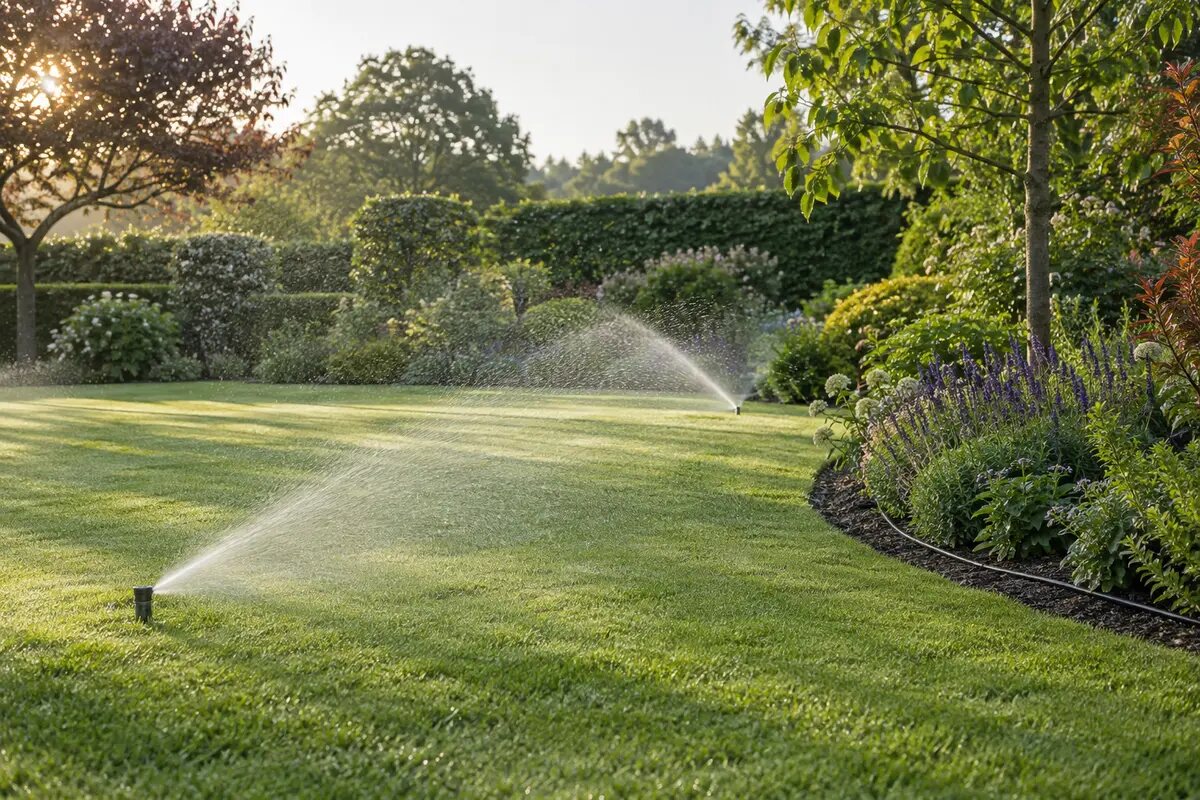
Yes. Where the property and proposed installation allow it, stored rainwater can be incorporated into a garden irrigation system.
Rainwater collected from roofs can be stored and then pumped into the irrigation network. TCR designs systems that can make use of harvested rainwater, and our water supply options include rainwater alongside mains and other potential sources.
The available storage and likely irrigation demand still need to be assessed properly. Rainwater is not an unlimited resource, particularly during prolonged periods of dry weather when the irrigation system is likely to be needed most.
For that reason, rainwater harvesting needs to be considered as part of the overall system design rather than simply connecting a small water butt to a large automatic installation.
What Do UK Water Regulations Mean for Irrigation Installation?
The way a permanent irrigation system connects to the mains water supply also needs to be considered carefully.
Backflow protection is important because the drinking-water supply must be protected against contamination from water within an irrigation system. The RHS notes that outside taps need appropriate backflow protection and that permanent automated irrigation connected to the mains will often require a break tank providing an air gap. Water Regs UK also advises that irrigation installations need to be considered according to their design, size and level of backflow risk.
The appropriate arrangement depends on the individual installation and requirements of the relevant water undertaker. This is another reason why a permanent irrigation system should be properly designed rather than treated as a simple extension of an outside tap.
What Do We Check Before Designing Your System?
Before recommending a system, we need to understand the garden as a whole.
That includes what needs watering, the layout of lawns and planting, the available water source, pressure and flow, the number of watering zones required and where equipment such as tanks, pumps and controllers could be positioned.
We also consider the different watering requirements across the garden. A large lawn, a newly planted border and an established hedge do not necessarily need the same method or watering schedule. Dividing the installation into appropriate zones allows the system to apply water where it is genuinely required.
Automation can then be used to control those zones, with TCR able to install systems that take factors such as rainfall, temperature and sunlight into account.
If you are at the early stages of considering irrigation and want to understand the wider process first, our guide to garden watering system installation explains how we approach planning and fitting a system.
The Right System Starts With the Right Water Supply
So, does your garden irrigation system need a pump and tank? Sometimes it does, and sometimes it does not.
A smaller installation may work effectively from the available mains supply, while a larger multi-zone system may need dedicated water storage and pumping to provide the required performance. The right answer depends on the garden, the water supply and what the finished system needs to achieve.
At TCR Watering, we assess these factors before designing the installation so that the system is built around the property rather than relying on guesswork. If you are considering a new garden watering system, speak to our team and we can assess the available supply and recommend the most appropriate setup for your garden.
Many homeowners assume that an irrigation system needs to be installed while a garden is being landscaped. Once the lawn is established, borders have matured and patios are finished, it can feel as though the opportunity has passed.
In reality, irrigation can often be added to an existing garden without undoing years of work. The exact process depends on the layout of the garden, the areas that need watering and the type of system required, but careful planning can keep disruption to a minimum.
At TCR Watering, we begin by assessing the garden as it is now. This allows us to design a system around existing lawns, borders, planting and hard landscaping rather than trying to force a standard solution into the space.
Can Irrigation Be Added to an Existing Garden?
An established garden does not prevent you from having a professionally installed irrigation system.
In many cases, seeing how the garden has developed helps us understand where reliable watering would make the biggest difference. Some borders may dry out more quickly than others, containers may need frequent attention, and established hedges or newly added planting may benefit from more targeted watering.
During the initial assessment, we consider features such as:
- Lawns and planted borders
- Mature shrubs, trees and hedges
- Paths, patios and other hard landscaping
- Differences in sunlight and shelter
- Changes in ground level
- Existing water supplies
- Areas that may be redesigned in the future
This information helps us plan practical pipe routes, watering zones and control points. Our irrigation installation service is tailored to the garden, so the finished system reflects what actually needs to be watered rather than treating every area in the same way.
How Much Disruption Will Installation Cause?
Some temporary disturbance may be needed, particularly where underground pipework or pop-up sprinklers are being installed. However, this does not usually mean digging up the entire garden.
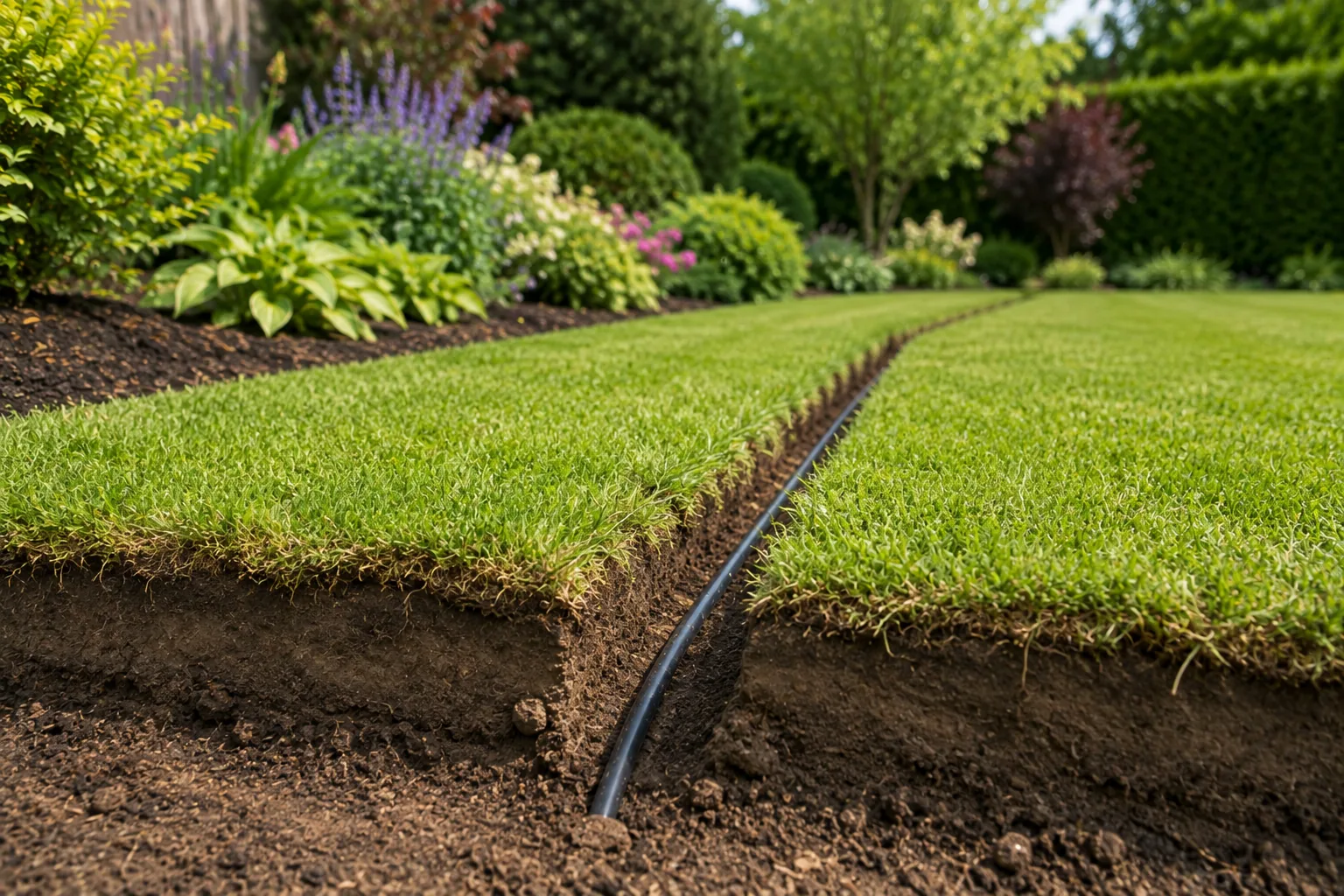
The level of work depends on the type of system and how the garden is laid out. Drip lines for established borders can often be routed around existing plants and hidden beneath soil or mulch. Lawn irrigation normally requires underground pipework, so narrow areas of turf may need to be lifted or carefully accessed during the installation.
Patios, paths, walls and mature planting can all affect the route, which is why the survey and planning stage is so important. We look for the most practical way to reach the required areas while avoiding unnecessary disturbance.
Before work begins, we explain which parts of the garden may need temporary access, how we plan to minimise disruption and what you can expect once the installation is complete. This gives you a clear picture of the work rather than leaving you to guess what may be involved.
Can Pipework Be Mole Ploughed Through an Established Lawn?
Where the layout and ground conditions are suitable, we can use a mole plough to install irrigation pipework through an established lawn with considerably less disturbance than conventional trenching.
Rather than excavating an open trench along the full length of the pipe route, the mole plough creates a narrow opening in the ground and feeds the pipe into position as it moves across the lawn. The ground closes back around the pipe, leaving only a relatively narrow line at the surface that can then be carefully reinstated.
This can be particularly useful in established gardens where homeowners want to avoid having sections of lawn left open while pipework is installed. It also reduces the amount of soil that needs to be excavated, moved and replaced, helping us keep the installation area tidier and minimise the impact on the surrounding garden.
Mole ploughing will not be suitable for every property. Access, ground conditions, existing underground services and the proposed pipe route all need to be considered first. Where it is practical, however, it can provide an effective way of installing underground irrigation pipework while protecting an established lawn as much as possible.
Does Every Part of an Established Garden Need Irrigation?
Not necessarily. A good irrigation system should focus on the areas that genuinely need support.
Different parts of the garden may have very different watering requirements. Newly planted shrubs and borders often need more consistent moisture while they establish. Containers and sheltered areas may dry out quickly, while mature planting in a shaded section may need far less attention.
Established lawns are another consideration. In a typical UK summer, an older lawn may temporarily lose colour during a dry spell and then recover when rainfall returns. Some homeowners still want lawn irrigation to maintain its appearance, but this should be a deliberate choice rather than something automatically included in every system.
By dividing the garden into separate watering zones, we can apply water more accurately. This avoids running the whole system whenever only one area needs attention and helps reduce unnecessary water use.
Which Irrigation Methods Work Best in Established Gardens?
Most established gardens benefit from a combination of watering methods.
Drip lines can work particularly well around borders, shrubs and hedging because they deliver water directly to the soil close to the roots. They can usually be hidden beneath mulch, keeping the system discreet as the planting develops.
Pop-up sprinklers can provide even coverage across lawn areas while remaining below ground when they are not being used. Micro-sprays may be suitable for selected planted sections where a wider but controlled spread is helpful.
Separate zones allow these different methods to operate independently. A sunny border does not need to follow the same watering schedule as a shaded hedge or an established lawn.
The right setup depends on the garden, rather than one system being suitable for every property. Our guide to garden watering system installation provides more information about how irrigation systems can be planned around different layouts and requirements.
What Do We Check Before Installation Begins?
A site assessment helps us understand whether the proposed system is practical and what equipment may be needed.
We look at the available water pressure and flow, as these affect how many areas can be watered at once. Depending on the garden and the scale of the system, a pump or water storage tank may also need to be considered.
We will also discuss:
- Which areas need automatic watering
- Where underground pipes or drip lines can be routed
- Whether turf or planting will need temporary access
- How hard landscaping affects the installation
- Where controllers, valves and accessible components will be placed
- Whether future garden changes need to be allowed for
- How watering schedules can be adjusted throughout the year
Taking time to work through these points helps avoid compromises later and ensures the system is designed around the garden properly.
Can an Automated System Respond to UK Weather?
An irrigation system should not simply water the garden at the same time every day regardless of the weather.
Timers allow individual areas to run on suitable schedules, while rain sensors and compatible controllers can help prevent unnecessary watering after rainfall. More advanced control options may also take factors such as temperature and sunlight into account.
This is particularly useful in the UK, where conditions can change quickly. A warm, dry week can be followed by several days of rain, so it is important that the system can be adjusted rather than continuing to water unnecessarily.
We explain how the controls work once the system is installed and can help set up the initial programmes. It is still sensible to review the schedule as the seasons change and as the garden develops.
What Happens Once the System Is Installed?
After installation, we test each watering zone, check the coverage and make sure the system is operating as intended. We also show you how to use the controller and explain any basic adjustments you may need to make.
Gardens do not stay exactly the same. Plants grow, borders change and new areas may be added, so irrigation systems can occasionally need adjustment. Sprinkler heads, emitters and control settings may also need checking over time.
Our irrigation system servicing can help keep the installation working efficiently and allow the system to be adapted as the garden changes.
Irrigation Can Work Around the Garden You Already Have
Having an established garden does not mean you have missed the opportunity to install irrigation. With a proper survey and a carefully planned design, a system can often be introduced while protecting the features and planting that are already in place.
The amount of work required will depend on the garden, but our aim is always to choose sensible routes, minimise unnecessary disruption and install a system that supports the areas that genuinely need watering.
Speak to TCR Watering to arrange an assessment and find out what irrigation options would be suitable for your garden.
There is a stage in every garden project where the exciting part feels finished. The shrubs are in, the borders have been refreshed, and everything looks far more settled than it did a few weeks earlier. In reality, that is often the point where the real test begins. Once the planting is in the ground, success depends heavily on how well it is watered through the weeks that follow.
That matters especially in UK gardens moving into early summer. The RHS advises that newly planted shrubs need regular watering during their establishment period, and notes that even when the soil surface looks damp, the area around the roots can still be too dry. It also recommends thorough watering so moisture reaches the root zone properly.
Newly planted shrubs and borders are more vulnerable than they look
Freshly planted shrubs have not yet had time to push roots out into the surrounding soil. Borders that have just been replanted may look full and healthy, but that appearance can be misleading. At this stage, the plants are still heavily dependent on reliable moisture levels while they settle in.
This is where many homeowners are caught out. A border can look fine after planting, especially if the weather has been mixed, but a few drier days or a warm, breezy spell can quickly change that. The RHS notes that new shrubs may need regular watering for at least the first two years, particularly in hot, dry or windy weather, or where the soil drains freely.
The issue is not always a complete lack of water. More often, it is inconsistency. A quick pass with a hose can make the surface look wet without properly soaking the rootball below. That can leave new planting under more stress than expected, even when it seems as though the border has been watered.
Hand watering often sounds easier than it is
Most people do not set out to water badly. The problem is that manual watering becomes harder to manage once a garden has several newly planted areas that all need attention at the same time.
Shrubs need deep watering. Borders need even coverage. Different sections of the garden dry out at different speeds depending on sun, shelter and soil type. If you are trying to manage all of that with a hosepipe and a rough routine, it is very easy for some areas to get too little and others to get more than they really need.
That is one reason this issue shows up so often after a border refresh. The planting itself may be done well, the soil may have been improved, and mulch may have been added, but the watering routine still ends up being reactive rather than reliable. By the time the signs of stress are obvious, the plants have already had a more difficult start than they should have.
Drip irrigation is particularly well suited to shrubs and borders
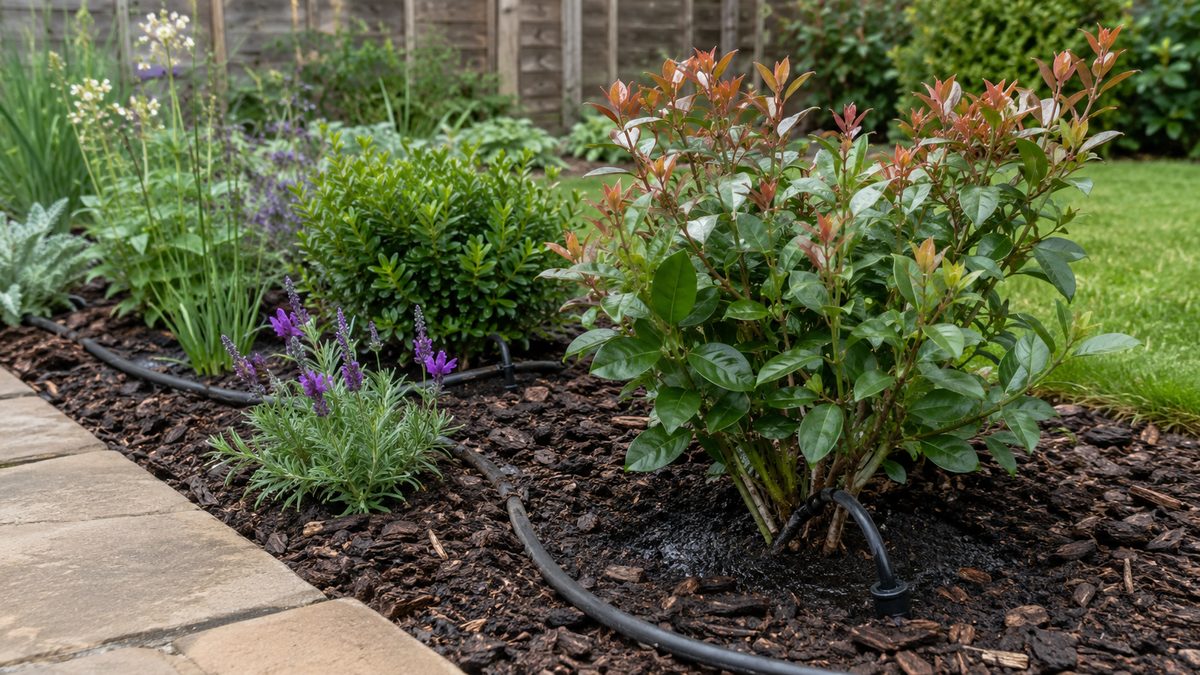
For newly planted borders, targeted watering usually makes far more sense than broad, general coverage. The RHS specifically notes that seep hoses or drip lines can be very effective and water efficient for newly planted borders, particularly when hidden beneath soil or mulch.
That is why irrigation is such a good fit for this type of planting. Instead of watering the whole area from above and hoping enough moisture reaches the roots, a drip-based system applies water where it is actually needed. It is more controlled, more consistent, and usually far easier to manage once the border starts filling out.
This is also where professional irrigation installation becomes important. A well-designed system can be planned around the layout of the border, the type of shrubs being planted, and the way the garden is meant to function over the summer months. That is very different from adding a temporary solution later and hoping it does the job.
It makes far more sense to install before problems start
Once newly planted shrubs begin to struggle, the pressure changes. Instead of planning properly, homeowners are reacting to signs of stress, patchy performance, or disappointing growth. Installing irrigation before that point is simply the better option.
It is usually neater to do while the border is still establishing, and it gives the planting a better chance of settling well from the outset.
The main point is straightforward. If time and money have gone into shrubs, soil preparation and planting design, it makes sense to protect that investment with a watering setup that is built to support the garden properly.
A better start for your borders
New shrubs and fresh borders should not be left to cope on guesswork and irregular watering. Early summer is exactly when consistent moisture begins to matter most, and it is much easier to get ahead of that pressure than to correct the damage afterwards.
If your borders have recently been planted and you want a more dependable watering solution, TCR Watering can help you put the right irrigation system in place before summer stress starts to show.
By the end of May, a lot of garden projects are finally starting to come together. New turf has been laid, borders have been replanted, and beds are looking far more finished than they did a few weeks ago. At that stage, most of the focus is on how everything looks. What often gets overlooked is how those newly planted areas are going to be watered properly once the weather starts to turn warmer.
That is where problems often begin. A new lawn or freshly planted border can look great at first, but if the watering is inconsistent in the first few weeks, the results can quickly become disappointing. Dry patches start to appear, new plants can struggle to settle, and what felt like a successful garden update can become far more hard work than expected.
New planting needs more support than many people expect
Freshly laid turf and recently planted borders are still establishing. Their roots are not yet deep enough to cope well with inconsistent moisture, which means regular watering matters far more than it does for older, established parts of the garden.
This is often the point where homeowners realise that manual watering is not always as practical as it sounds. Watering a few pots with a can is one thing. Trying to keep a new lawn, planted borders, and other areas consistently watered several times a week is something else entirely, especially once work, family life, or a few warmer days get in the way.
The challenge is not just remembering to water. It is watering evenly, thoroughly, and often enough for each part of the garden to establish properly. That is why it makes sense to think about irrigation before summer starts putting extra pressure on everything.
Different parts of the garden need different watering
One of the biggest mistakes people make is assuming the whole garden can be watered in the same way. In reality, a lawn and a newly planted border usually need very different approaches.
Lawns generally need broad, even coverage so the whole area receives enough moisture. Borders and beds are different. These areas often benefit from more targeted watering that gets moisture closer to the roots rather than simply spraying everything from above. If you are trying to manage both with a hosepipe and a rough routine, it is very easy to overdo one area and neglect another.
That is where a properly planned system makes a real difference. A tailored irrigation installation allows the watering setup to match the way the garden is actually laid out, rather than relying on a one-size-fits-all approach.
It is easier to install irrigation now than later
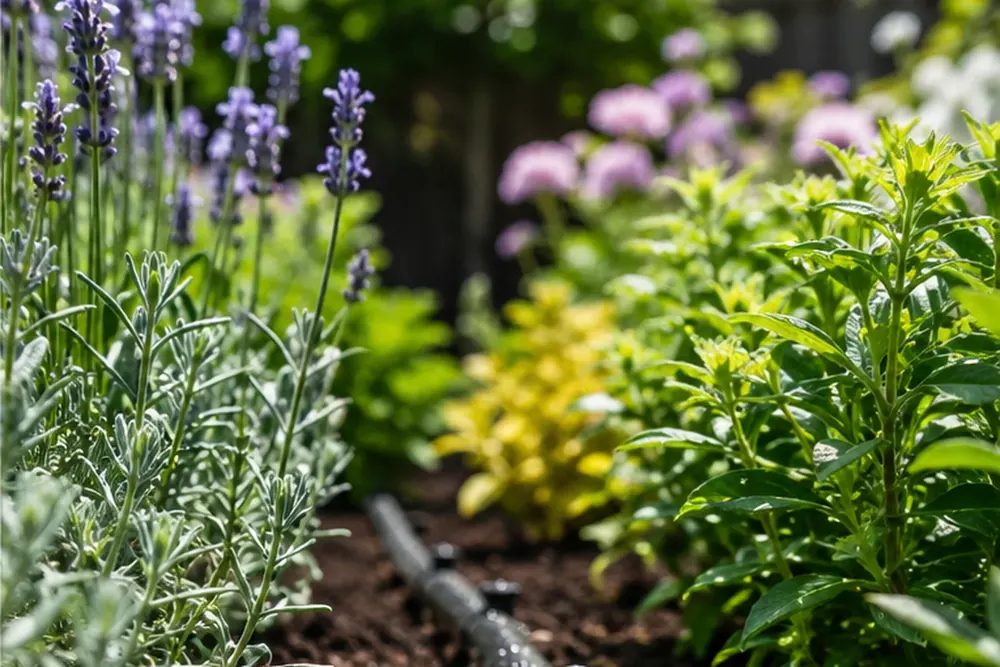
Late May is a good time to make this decision because the garden is still in that in-between stage. The main planting work may be done, but everything is still settling in. Once lawns are fully established and borders fill out, adding irrigation later can become more awkward and more disruptive than it needs to be.
Planning the system earlier means it can be designed around the garden properly from the start. It also means you are not waiting for the first hot spell to expose the weak points. By then, the garden is already under pressure, and any delay feels far more frustrating.
For anyone still weighing up what is involved, The Ultimate Guide to Garden Watering System Installation is a useful place to start. It helps explain the basics while giving a clearer picture of how a professionally installed system can work across different types of garden.
Good installation is about more than convenience
There is a convenience side to irrigation, of course. It saves time, reduces the need to drag hoses around, and gives homeowners more confidence that their garden is being looked after properly. But the bigger benefit is consistency.
That consistency is often what helps new lawns thicken up evenly and gives fresh planting a better chance to settle and grow on well through summer. Instead of watering when there is time or when the weather suddenly looks dry, the garden gets the support it actually needs.
And once a system is in place, it makes sense to keep it performing properly over time. TCR also offers servicing for irrigation systems, which is useful for homeowners who want to make sure everything continues running efficiently once the installation is complete.
Get ahead of summer while the garden is still establishing
If you have recently laid turf, replanted borders, or updated key areas of the garden, now is the time to think seriously about irrigation. It is much easier to put the right watering setup in place before summer stress begins than to deal with the consequences once dry weather arrives.
A new lawn or fresh borders deserve more than guesswork with a hosepipe. If you are investing in the garden this May, it makes sense to set it up properly from the start.
By June, a lot of garden projects are either finished or very close to it. New turf has gone down, borders have been replanted, and the garden is starting to look the way it was meant to. That is usually the point where attention stays on the visible side of the job, how it looks, how it is filling out, and what it should look like by mid-summer.
What is easier to overlook is the part that keeps it all going once the weather turns warmer. New lawns and freshly planted borders need reliable watering while they establish. The RHS notes that newly sown or turfed areas need regular watering through their first summer, and newly planted stock needs consistent watering in dry spells so moisture reaches the root zone properly.
New lawns and fresh borders need more help than established areas
A mature garden can usually cope with a bit more inconsistency. New turf and fresh planting cannot. Their roots are still developing, which means they are far more dependent on steady moisture levels in the early weeks and months.
That is especially important with turf. The RHS warns that if new turf is allowed to dry out, it can shrink and fail to knit together properly, and that simply wetting the surface can encourage shallow rooting rather than helping the lawn establish well. Newly planted shrubs and borders have similar issues. The surface can look damp enough, while the soil around the roots is still too dry. The RHS highlights insufficient watering in the first two years as a major cause of poor establishment for trees and shrubs.
That is why watering needs to be thought about as part of the project, not just something to deal with afterwards.
Lawns and borders should not be watered in the same way
One of the most common mistakes in a new garden is treating every area as if it needs the same approach. In reality, lawns, borders, raised beds and vegetable areas often need different watering methods.
The RHS is clear on this point. Its guidance separates sprinklers, drip lines, seep hoses and other irrigation methods because each suits different parts of the garden. It specifically notes that newly planted borders often benefit from drip lines or seep hoses, which can be hidden beneath soil or mulch and used efficiently, while sprinklers are a more obvious fit for lawns and broader areas.
That is where a proper installation makes a real difference. A tailored irrigation installation can be zoned to suit the way the garden is actually laid out, rather than relying on a hosepipe and hoping everything gets enough water.
Installing irrigation early is easier than adding it later
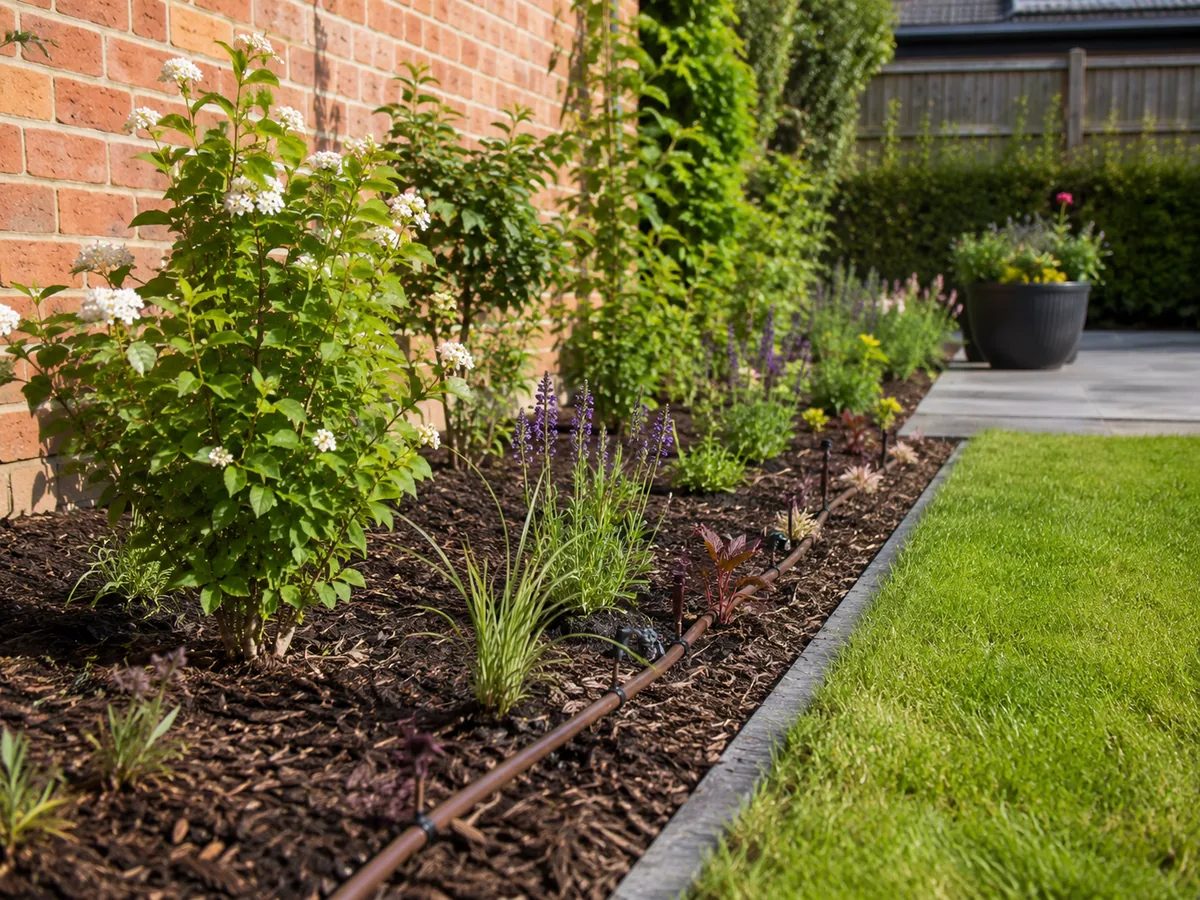
June is a good time to make the decision because the garden is still settling in. Once planting fills out and the lawn is established, retrofitting becomes more awkward. It can mean working around finished areas, disturbing new growth, or compromising on the best layout for the system.
Installing earlier is usually neater and more practical. It also means you are planning before the first proper hot spell exposes the weak points. For homeowners still weighing up what is involved, The Ultimate Guide to Garden Watering System Installation is a useful starting point.
There is also a timing benefit. By the time a garden is already struggling, you are reacting under pressure. Putting the system in place earlier gives new lawns and borders a better chance to establish well through the first part of summer, rather than trying to rescue them once they are already under stress.
Good irrigation installation improves results, not just convenience
It is easy to think of irrigation as a time-saving extra, but the real value is consistency. New turf needs enough water to soak through properly, not just a quick pass over the top. Borders need moisture where the roots are, not broad, uneven coverage that wastes water. RHS guidance supports both points, stressing deep watering for new turf and root-zone watering for new planting.
A professionally installed system helps match the method to the area. It reduces guesswork, improves coverage, and gives the garden a much better chance of establishing evenly. Once installed, it also makes sense to keep it working properly with servicing for irrigation systems.
If you are investing in the garden this summer, do the watering side properly
A new lawn or a freshly planted border is not just about how it looks in June. It is about how well it settles in and performs over the rest of the season. If the watering is inconsistent, the whole job becomes harder than it needs to be.
If you are laying turf or planting new borders this summer, irrigation should be part of the plan from the start.
Late April is when many gardens start to shift from planning mode into action. Borders are being refreshed, containers are filled, vegetable beds are planted up, and everything begins to feel geared towards summer. At this stage, most people focus on colour, structure, and what they want the garden to look like in a few weeks’ time. What often gets less attention is how all that new planting will actually be watered consistently once it is in the ground.
That matters more than many homeowners realise. New plants are at their most vulnerable in the first weeks after planting, and uneven watering can undo a lot of good work. A well-designed irrigation system can make that process far more reliable, especially if you are working across different areas of the garden. If you are considering professional support, TCR Watering’s irrigation installation service is designed around the real needs of each garden rather than a one-size-fits-all setup.
Why does consistent watering matter so much for new planting?
New planting has not had time to establish strong roots. Until that happens, plants are much more dependent on regular moisture levels to settle in properly. If watering is missed for even a short period, particularly during a warm or breezy spell, new additions can quickly begin to struggle.
This is often where gardens lose momentum. Flowers that looked healthy when planted start to droop, vegetable seedlings stall, and fresh bedding can become patchy. The issue is not always a complete lack of water. In many cases, it is inconsistency. Too much one day and too little the next is not ideal for healthy establishment. A steady, reliable watering routine gives plants a much better chance of rooting well and performing strongly into early summer.
Which areas of the garden need the most attention in late April?
Borders and vegetable beds usually need careful monitoring at this time of year, but containers and hanging baskets are often the first to dry out. Because they hold less soil, they can lose moisture quickly, especially if they are in exposed or sunny positions. A few warmer days can make a noticeable difference.
Newly planted borders can also be deceptive. The soil may still hold some spring moisture, but that does not always mean the root zone is staying evenly damp. Vegetable beds are another area where regular watering can become surprisingly demanding, particularly once sowing and transplanting are underway. Trying to keep track of all these areas manually can become difficult very quickly, especially for busy households or anyone away from home during the day.
How can an irrigation system help when you’re planting for summer?
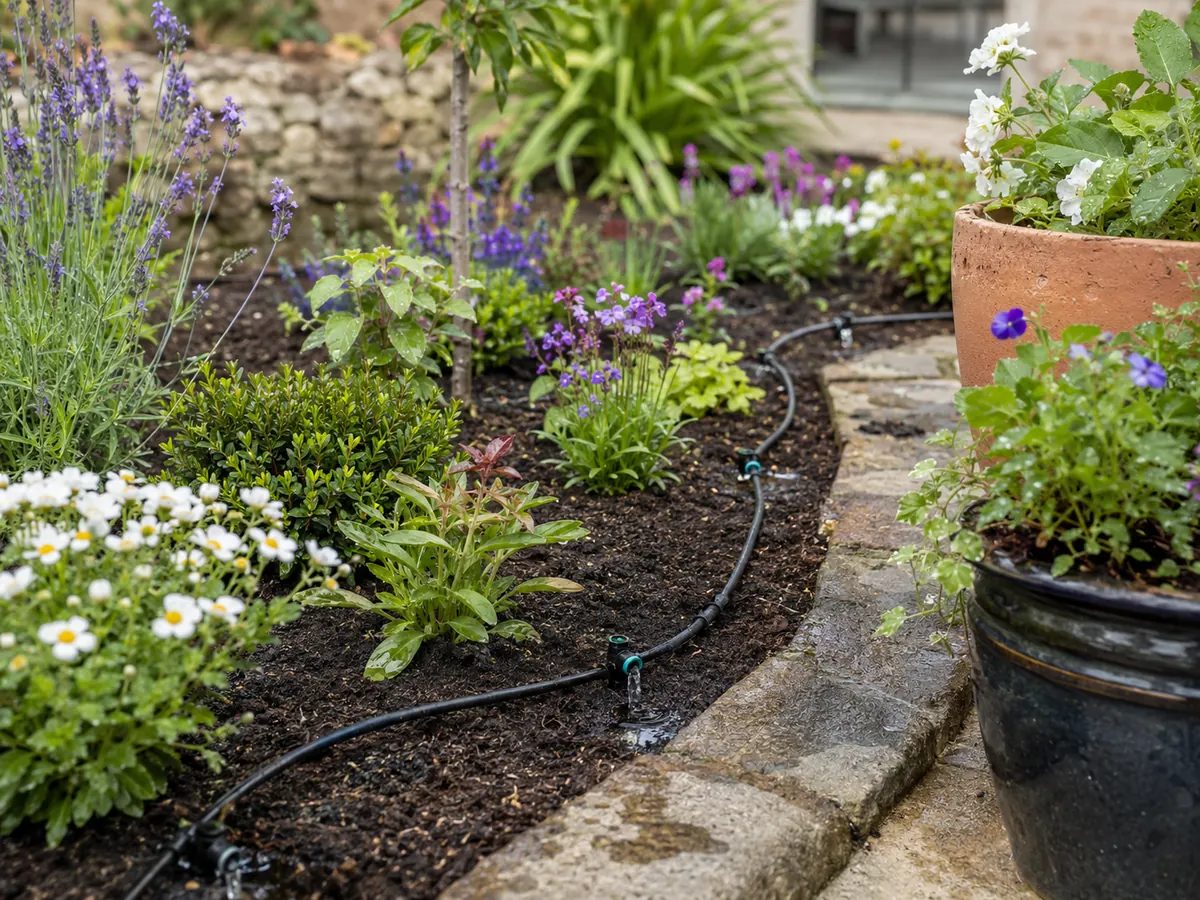
A good irrigation system brings consistency. Rather than relying on memory, time, or the weather looking forgiving enough, it ensures water is applied where it is needed and when it is needed. That is particularly useful in gardens with a mix of borders, raised beds, pots, and other planted zones that all behave differently.
Drip irrigation can work especially well for borders, beds, and vegetable plots because it delivers water directly to the root area without soaking everything around it. That improves efficiency and helps reduce waste. It also means you are less likely to overwater one section while forgetting another. For homeowners who want a better understanding of what a full system can involve, The Ultimate Guide to Garden Watering System Installation gives a useful broader overview.
What should you think about before installing a watering system?
The best systems are planned around the garden itself. Lawns, borders, vegetable areas, and containers rarely need exactly the same approach, so it makes sense to think in zones rather than treating the whole garden as one space. This is particularly important when planting is being updated, because it is far easier to make sensible irrigation decisions before everything is fully established.
Professional design helps avoid the common mistake of fitting something basic and hoping it works everywhere. It also means the system can support how the garden will actually be used across the season. Once installed, it is worth keeping it properly maintained too. TCR Watering offers servicing for irrigation systems for homeowners who want to keep everything running efficiently, and their article on why annual maintenance is essential for garden watering systems explains why that ongoing care makes a real difference.
Set your garden up properly now
Late April is a key moment in the gardening year. If you are investing time and money into planting for summer, it makes sense to protect that effort with consistent watering. Done properly, irrigation helps new planting establish better, reduces stress during dry spells, and takes some of the pressure out of keeping the garden looking its best.
If you are planting up now and want a more reliable setup for the months ahead, TCR Watering can help you plan a system that suits your garden properly.
March is when gardens begin to wake up. Lawns start to green, borders show signs of new growth, and longer daylight hours tempt us back outside. It’s also the point in the year when your garden watering system needs to be ready to perform.
If your system hasn’t been checked since last season, now is the right time to act. Waiting until the first dry spell often means discovering problems when your plants need water most. A professional spring inspection from the team at TCR Watering ensures everything is working exactly as it should before demand increases.
Why Should You Check Your Watering System in March?
Spring growth increases demand on your irrigation system almost overnight. What worked fine at the end of last summer may not be performing properly now.
Over winter, components can shift slightly due to soil movement, frost, or general wear. Small leaks, blocked emitters or misaligned sprinkler heads might not be obvious until coverage becomes uneven. A quick check early in the season helps prevent dry patches, stressed plants, and unnecessary water waste later on.
Booking a spring visit through TCR’s dedicated maintenance service allows these small issues to be identified and corrected before they turn into bigger problems.
What Problems Commonly Appear at the Start of Spring?
Some issues only show themselves once the system is back in regular use. Sprinkler heads may not pop up correctly, drip lines can become partially blocked, and timers sometimes need reprogramming after winter downtime.
Frost can also cause subtle damage to pipework or joints, especially if the system wasn’t fully drained. Even minor cracks can reduce pressure and affect performance across the entire garden.
Uneven watering is often the first sign that something isn’t quite right. Lawns may develop patchy areas, while certain beds receive too much water and others not enough. Addressing these problems early avoids plant stress and helps your garden establish strong growth as the season progresses.
Should You Service or Upgrade Before Peak Season?
March is one of the smartest times to book servicing or consider improvements. Once April and May arrive, demand for both maintenance and new installations increases sharply.
A professional spring check allows adjustments to be made before watering becomes essential. Controllers can be reset for seasonal schedules, zones can be tested properly, and any worn components can be replaced without urgency.
If you struggled with inconsistent watering last summer, this is also the time to consider improvements. Upgrading components or expanding coverage can make a noticeable difference. You can explore tailored system options through TCR’s garden watering system installation service if you’re planning changes this year.
How Can TCR Watering Help You Prepare for Spring?
Whether you need a simple recommissioning visit or a more detailed service, TCR offers tailored garden watering system maintenance to keep systems performing reliably.
A spring service typically includes checking pressure, inspecting pipework, testing timers, and ensuring each watering zone operates correctly. It’s a thorough approach designed to prevent issues rather than react to them.
For homeowners who don’t yet have a system installed, March is also an ideal time to plan ahead. Booking early avoids peak-season delays and ensures your garden is fully supported before warmer weather arrives. You can learn more about available services directly on the TCR Watering homepage.
Get Ahead of the Season
Spring is about fresh starts, and your irrigation system should be part of that preparation. A small amount of attention now can prevent bigger problems when temperatures rise.
If you want your garden to thrive this year without unexpected watering issues, consider arranging a spring check with TCR Watering. Acting now means you can enjoy the season knowing your system is ready to do its job properly.
Installing a garden watering system is a smart investment, but installation is only one part of keeping it working properly. Like any system that depends on pressure, timing, valves, and moving parts, it needs regular attention to stay reliable and efficient. Without proper servicing, even a well-designed setup can begin to lose performance over time.
For homeowners who want consistent results and fewer problems, seasonal servicing plays an important part in protecting both the system and the garden. If you are looking for specialist support, TCR Watering can help with expert advice, system care, and professional servicing.
Garden Watering Systems Need Ongoing Attention
It is easy to assume that once a garden watering system has been installed, it will simply carry on working without much input. In reality, these systems operate outdoors in changing conditions throughout the year, which means wear and tear is inevitable.
Debris, temperature changes, general use, and natural movement in the ground can all affect performance. Small faults such as blocked emitters, leaking joints, pressure issues, or misaligned sprinklers may not be obvious at first, but they can lead to uneven watering, wasted water, and unnecessary strain on the system.
This is why regular servicing is so important. A professional check helps spot issues early and keeps everything working as it should before minor faults turn into more expensive problems.
The Importance of Shutdown and Startup Servicing
Rather than carrying out routine servicing in the middle of winter, garden watering systems are usually checked at two key points in the year: when they are shut down at the end of the season, and when they are started up again as the weather improves.
A shutdown service helps prepare the system for the colder months. This is an important stage, as any water left sitting in the system can create problems when temperatures drop. Making sure the system is properly shut down helps reduce the risk of damage and leaves everything in the best possible condition for the off-season.
A startup service is just as important. Before the garden begins to need regular watering again, the system should be checked carefully to make sure it is ready to run efficiently. This is the right time to test the system, inspect components, and deal with anything that may have developed over the winter period.
TCR Watering provides professional support for this kind of seasonal garden watering system maintenance, helping homeowners keep everything running smoothly at the right times of year.
What a Proper Service Involves
A thorough service goes far beyond a quick visual check. It looks at how the whole system is functioning, from the controller and valves through to the sprinklers, drip lines, and pipework.
This may include checking for leaks, testing water pressure, inspecting connections, assessing the performance of each zone, and making sure the controller is operating correctly. Sprinkler heads and drip components can also be checked for blockages, wear, or positioning issues that may affect coverage.
By carrying out this kind of detailed inspection during shutdown or startup, problems can be dealt with before they affect the garden. It also helps make sure the system is working efficiently, which is especially important when watering demand increases.
Why Servicing Still Matters If the System Seems Fine
A system does not need to stop working completely before servicing becomes worthwhile. Many irrigation faults develop slowly and are easy to miss in the early stages. A sprinkler head that is slightly out of place or a drip line that is not delivering water evenly may not seem serious at first, but over time these issues can affect plant health and lead to poor results.
Regular servicing helps maintain consistency across the whole garden. It also reduces unnecessary strain on important components, which can help extend the life of the system and avoid more costly repairs later on.
Even if the system appears to be running well, seasonal checks remain an important part of keeping it dependable. Choosing the right installer from the outset can also make long-term upkeep easier, which is why TCR’s garden watering system installation service is designed with performance and practicality in mind.
Protect Your System at the Right Time of Year
A garden watering system is an investment in convenience, plant health, and efficient water use. Looking after it properly means servicing it at the right stages of the year, not simply leaving it until a problem appears.
Shutdown servicing at the end of the season helps prepare the system for winter, while startup servicing makes sure it is ready to perform when the garden needs it again. Both are important parts of keeping the system reliable and avoiding unnecessary issues.
If you want to keep your watering system in the best possible condition, take a look at TCR Watering’s maintenance services or get in touch with the team for advice. If you are planning a new system, you can also explore the installation options available through the TCR Watering website.
When winter arrives, most gardens slow down. Lawns stop growing, borders rest, and planting plans pause until spring. While it may feel like the wrong moment to think about irrigation, winter is actually the most effective time to plan a garden watering system. Homeowners who wait until March or April often face longer lead times and fewer installation options, especially as demand rises sharply once the growing season begins.
By planning early and working with specialists like TCR Watering, you can take advantage of the quieter months to design a system that is ready to perform as soon as temperatures rise. Winter allows for careful planning, smarter decisions, and far less pressure.
Is winter too early to think about garden watering systems?
Short answer: No, winter is the ideal time to start planning.
Although installation may not always take place immediately, the most important parts of an irrigation project happen before any pipework goes into the ground. Winter is perfect for consultations, garden assessments, system design, and scheduling. Without the urgency of spring planting, decisions can be made properly rather than rushed.
Planning early also avoids the frustration many homeowners experience when installers are fully booked just as their garden needs watering the most. By the time spring arrives, everything is already in place.
Why plan your irrigation system before spring begins?
Short answer: Early planning avoids delays and results in a better-designed system.
Spring is the busiest period for garden watering installations. Homeowners planning ahead can secure preferred installation dates and avoid competing with last-minute enquiries. More importantly, early planning allows the system to be designed around your actual garden layout rather than trying to fit it in after planting is complete.
Soil type, water pressure, planting zones, lawn areas, and future landscaping plans can all be considered carefully. This leads to more efficient coverage, better plant health, and reduced water waste. A well-planned system also supports consistent growth from the start of the season, rather than being added halfway through.
What can be done in January and February?
Short answer: Almost everything apart from full installation.
The winter months allow plenty of productive work to happen behind the scenes. During January and February, TCR Watering can carry out site visits, assess your garden layout, and create a bespoke irrigation design tailored to your needs. Quotes can be prepared, schedules confirmed, and materials planned in advance.
Advice can also be given on frost protection, pipe placement, and how the watering system will integrate with spring planting plans. In some cases, weather permitting, parts of the installation may even take place during late winter. Even when installation is delayed, everything is ready to move quickly once conditions improve.
This early approach makes spring far smoother and avoids unnecessary waiting.
How can TCR Watering help you get ahead of the growing season?
Short answer: By designing a system that works now and adapts later.
Working with an experienced team ensures your watering system fits your garden properly. TCR Watering designs bespoke irrigation solutions for every project, whether you are planning new borders, establishing a vegetable plot, or laying a lawn from scratch.
Systems can be futureproofed with smart controllers, seasonal zones, and efficient water management features. This allows watering schedules to adapt throughout the year while keeping running costs under control. Planning early also makes it easier to coordinate irrigation with other landscaping work, preventing disruption later.
For homeowners who already have a system in place, winter is also a good time to think about servicing and preparation ahead of spring, which can be supported through ongoing maintenance services.
Planning now means fewer problems later
Gardens may be quiet in winter, but planning never needs to stop. Thinking ahead about irrigation ensures you are not left behind when spring arrives and demand surges. Winter is the season for smart decisions, careful design, and setting your garden up for long-term success.
If you want to avoid delays and start the growing season fully prepared, now is the right time to act. Speak to TCR Watering about a winter consultation and secure your place ahead of the spring rush. You can learn more about early planning and spring installations on the installation page or get in touch directly to start the process.
Prepping your irrigation systems for winter is essential for protecting against frost. Freezing temperatures can damage pipes, timers, emitters, and other components.
Winterising your system now saves time, stress, and money. Here’s what you need to know about preparing your garden watering system for winter to ensure it’s ready for use in the spring.
Why Should You Winterise Your Garden Watering System?
Winterising prevents damage due to freezing temperatures. Water expands when frozen, which can rupture pipes and fittings. Winterisation keeps pipes from freezing, saving you from dealing with costly damage.
A burst pipe may also lead to water pooling in your garden, or against the foundation of your home. This could limit your home’s water supply, affecting everything from cooking and cleaning to bathing.
Along with pipes, the cold temperatures can cause other parts to freeze or crack. These issues may not be noticeable until the spring, delaying your seasonal gardening plans.
Luckily, you can avoid these issues with proper winterisation. At TCR Watering, we recommend several steps for winterising, including draining hoses and sprinklers, insulating exposed pipes, and more.
When Should You Shut Down or Protect Your System in the UK?
Late October to early December, depending on your region, is typically the right time to go through the winterising process. We recommend acting before the first hard frost.
When you notice overnight temperatures getting close to freezing, it’s time to start shutting down your system.
Don’t wait until damage has occurred. We offer seasonal support during this period to ensure that your irrigation system is ready for winter.
How Do You Prepare Different System Types for Winter?
Preparing a garden watering system for the winter involves the following steps, which vary slightly depending on the type of system:
- Shut off the water
- Remove spray heads
- Drain the system
- Insulate parts
First, make sure you shut off the water supply. Depending on the setup, you may need to turn off the main water supply to your home, or the main line to your outdoor irrigation system. If your system has a backflow preventer, shut off the valves.
For a drip irrigation system, remove the head assembly and timer. With pop-ups and micro-sprays, remove the spray heads. Clean these components, dry them, and store them for the season.
Next, drain the entire system. Allow water to fully drain from the tubing or pipes.
Use an air compressor to blow out any remaining water. This further reduces the risk of pipe damage during the winter.
Insulate any parts located above ground, such as exposed pipes, the main shut-off valve, and backflow preventers. Foam covers are available for these parts, helping to protect against moisture and the winter weather.
If you need help with any of these steps, don’t hesitate to contact us at TCR Watering. Professional assistance ensures your system is prepared for the winter in the UK.
Can TCR Watering Help with Winter Servicing or System Checks?
At TCR Watering, we specialize in watering system servicing, including winter servicing and ongoing maintenance. Arrange inspections, draining, timer storage, and frost protection advice. Even if we did not install your system, our team can still provide support.
TCR Watering is ready to help winterise your existing irrigation system or plan a new installation designed to withstand freezing temperatures.
We can install new watering systems with frost-safe planning in mind. With our professional watering system installation, you can ensure that all components are properly chosen and installed.
Conclusion
Now is the time to act to prevent costly damage to your watering system and ensure that you’re ready for spring. Winter care is important for protecting your irrigation system parts from freezing and cracking.
TCR Watering is available to help with both new and existing systems. Get a hold of us for installation or watering system maintenance, including winter servicing, seasonal checks, and ongoing system care.