
Smart Irrigation Systems for UK Gardens: Are Weather-Based Controllers Worth It?
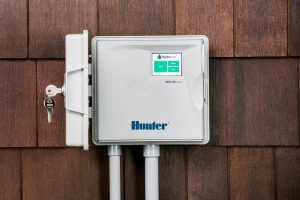
An automatic garden watering system does not have to mean the same sprinklers switching on at the same time every day. Modern irrigation controls can be far more flexible, allowing different parts of the garden to operate independently and helping the system respond to changing weather.
At TCR Watering, we install systems ranging from straightforward automatic controls to more advanced weather-responsive setups. The right option depends on the garden, the number of watering zones and how much control you actually need.
The important point is that smart irrigation is not about adding technology for the sake of it. A controller is only useful if the system underneath it has been designed properly. That is why our garden irrigation installations start with the requirements of the garden before we decide which controls are appropriate.
What Makes a Garden Irrigation System Smart?
A standard irrigation controller follows a programmed schedule. It tells the valves when to open, which part of the garden to water and how long that particular station should operate.
More advanced systems can use information from rain sensors, soil sensors or weather data. Depending on the equipment installed, watering can be adjusted according to factors such as rainfall, temperature and sunlight.
Some controllers can also be accessed remotely from a phone or web browser. The real benefit is not simply being able to turn sprinklers on from an app. It is having greater control over when and where water is applied.
Why Do Irrigation Zones Matter?
Before choosing a smart controller, the watering zones need to be right.
A lawn in full sun may not have the same requirements as a shaded lawn. A hedge, flower border and group of planters may all need different watering methods and schedules.
Our garden irrigation systems are divided into individual stations or zones so that areas with similar requirements can be managed together. Solenoid valves allow the controller to operate those zones independently.
This is an important part of good irrigation design. Even the most sophisticated controller cannot compensate for sprinklers being poorly positioned or completely different areas of the garden being grouped together.
How Do Rain Sensors and Weather-Based Controls Help?
One limitation of a basic fixed timer is that the British weather rarely follows a fixed timetable.
A dry spell can quickly be followed by several days of rain. There is little benefit in an automatic irrigation system continuing with exactly the same programme regardless of what is happening outside.
TCR can incorporate rain sensors, soil sensors and weather-responsive controls into suitable installations. A rain sensor can stop watering when sufficient rain has fallen, while more advanced systems can adjust programmes using wider weather information.
That does not mean the system can simply be programmed once and forgotten. Watering requirements still change according to the season, planting, soil conditions and how the garden develops.
Is Remote Irrigation Control Worth Having?
For some customers, a conventional controller at the property provides everything they need. For others, remote access can be extremely useful.
If you travel regularly, have a second property or own a large garden with numerous watering zones, being able to check and adjust the system remotely provides much more flexibility.
Depending on the controller installed, you may be able to change programmes, pause watering or manually run a particular zone without being beside the control unit.
We consider how the system will actually be used before recommending this level of automation. There is no benefit in installing features simply because they are available.
Can Smart Irrigation Reduce Unnecessary Watering?
It can, providing the wider system has been designed and set up correctly.
Rain-responsive control can prevent irrigation operating immediately after sufficient rainfall. Separating the garden into zones also means a shaded border does not have to be watered simply because an exposed lawn requires attention.
Seasonal adjustments are useful too. A programme suitable for warm summer conditions should not necessarily continue unchanged as temperatures fall and natural rainfall increases.
Our approach to garden watering is based on delivering water where it is actually needed rather than simply running the whole system to a fixed schedule.
However, smart technology cannot compensate for poor irrigation design. Incorrect run times, badly positioned sprinklers or poorly planned zones can still waste water regardless of how advanced the controller is.
What Happens If There Is a Hosepipe Ban?
Smart or weather-responsive irrigation does not automatically give a system an exemption from water restrictions.
In the UK, Temporary Use Bans are managed by individual water companies, and the rules and any exemptions can vary between supply areas. If restrictions are in force, you should check the current guidance from your own water company before using an irrigation system.
This is an important distinction. Smart irrigation can help avoid unnecessary watering when the system is permitted to operate, but it does not override restrictions imposed by the water supplier.
Which Irrigation Controller Is Right for Your Garden?
There is no reason to fit the most advanced controller available if the garden does not require it.
A relatively small system with only a few zones may work perfectly with a straightforward programmable controller. A larger garden, estate or complex landscaping scheme may benefit much more from weather-responsive control, remote access and a controller capable of managing numerous independent stations.
When we design an installation, we consider the layout, lawns and planting, water supply, sprinklers and drip irrigation, number of zones and how you want to use the system. The controller is then selected as part of the complete design rather than treated as a separate gadget.
Smart Irrigation Starts With Good System Design
Weather-responsive controls can make an automatic watering system easier to manage and help avoid unnecessary irrigation. But the controller is only one component.
The biggest difference comes from getting the whole installation right: suitable sprinklers and drip irrigation, properly planned zones, an adequate water supply and controls appropriate for the garden.
As planting develops and requirements change, controllers, sensors and individual zones can also be inspected and adjusted through our irrigation system servicing.
If you are considering an automatic garden watering system, speak to TCR Watering. We can assess your garden and recommend the level of automation that will genuinely benefit the installation, rather than adding technology you do not need.
Back to News